Study in the United States
Universities, Fees & Student Visa Guide
Study in USA is a dream destination for Indian students seeking world-class education, research opportunities and global career growth. Aura Visa provides expert admission and USA student visa guidance.
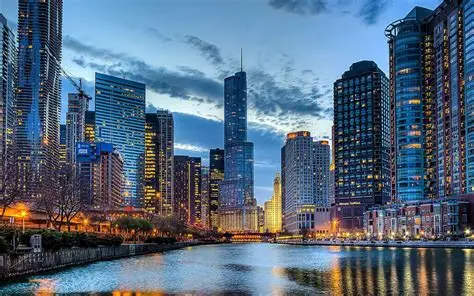
Why Study in USA?
The United States is the world’s leading study destination, known for academic excellence, cutting-edge research, flexible education pathways, and global career opportunities.
World-Leading Universities
US universities dominate global rankings and are known for innovation and academic excellence.
Work While Studying
International students can work on-campus during studies and gain off-campus experience through CPT.
Official USCIS Rules →OPT & STEM Extension
Graduates can work up to 12 months under OPT, with an additional 24-month extension for STEM programs.
OPT Guidelines →Pathway to Long-Term Employment
US education and work experience strengthen eligibility for H-1B and employer-sponsored visas.
H-1B Visa →Wide Range of Tuition Options
The USA offers flexible tuition ranges across public, private, and community institutions.
Diverse & Multicultural Environment
The US is home to students from all over the world, offering a truly global campus experience.
Strong Job Market
High demand across technology, engineering, healthcare, data science, and business sectors.
US Job Outlook →Global Career Recognition
US degrees are highly valued worldwide and open doors to international career opportunities.
Arizona State University
Arizona • University
ASU Global
Arizona • University
Baylor University
Texas • University
Clarkson University
New York • University
Clark University
Massachusetts • University

Concordia University of Chicago
Illinois • University
Campbellsville University
Kentucky • University
Bethany College
Kansas • College
Anderson University
Indiana • University
Ashland University
Ohio • University
Atlantis University
Florida • University
United States Education System & Study Levels
The United States offers one of the world’s most flexible and diverse education systems, with study pathways across associate, bachelor’s, master’s, and doctoral programs.
📘 Overview
Associate degrees and certificate programs in the USA focus on foundational academics and practical skills, primarily offered by community colleges.
⏱ Duration
2 years (Associate Degree) or 6–12 months (Certificates).
🎓 Eligibility
Completion of 12th grade with minimum academic and English language requirements.
💼 Career Scope
Pathway to employment or transfer to a 4-year bachelor’s degree program.
📘 Overview
Bachelor’s degrees in the USA emphasize a broad-based curriculum with flexibility to choose majors, minors, and electives.
⏱ Duration
4 years (may extend with internships or co-op programs).
🎓 Eligibility
12th grade completion with academic transcripts and English proficiency.
💼 Career Scope
Strong employability and eligibility for OPT (Optional Practical Training).
📘 Overview
US master’s programs focus on advanced academic learning, research, and professional specialization.
⏱ Duration
1.5 to 2 years depending on program and credit structure.
🎓 Eligibility
Bachelor’s degree with relevant academic background and English proficiency.
💼 Career Scope
Eligibility for OPT and STEM OPT extension for selected programs.
📘 Overview
PhD programs in the USA emphasize original research, innovation, and academic leadership.
⏱ Duration
4 to 6 years depending on research field and funding structure.
🎓 Eligibility
Bachelor’s or master’s degree with strong academic and research profile.
💼 Career Scope
Academic careers, research roles, and high-level industry positions globally.
OPT & High-Demand Courses in the United States
The United States allows international students to work after graduation through Optional Practical Training (OPT). STEM-designated programs may qualify for a 24-month OPT extension, offering strong career opportunities.
💻 Technology & Engineering
- Computer Science & Information Technology
- Artificial Intelligence & Data Science
- Software Engineering
- Cybersecurity
- Mechanical, Electrical & Civil Engineering
Eligible for up to 36 months of OPT (12 + 24 STEM extension).
🏥 Healthcare & Life Sciences
- Public Health
- Health Informatics
- Biotechnology & Biomedical Science
- Healthcare Administration
- Clinical Research
Strong demand across hospitals, research institutions, and healthcare systems.
📊 Business, Finance & Management
- Business Analytics
- Finance & Accounting
- International Business
- Supply Chain Management
Many programs qualify for STEM OPT when analytics-focused.
📈 Data, Math & Analytics
- Data Analytics
- Statistics & Applied Mathematics
- Business Intelligence
- Operations Research
High OPT employability across tech, finance, and consulting sectors.
🏗 Architecture & Built Environment
- Architecture
- Construction Management
- Urban Planning
- Interior & Environmental Design
Strong demand in infrastructure and urban development projects.
📚 Education & Instruction
- Education Technology
- Curriculum & Instruction
- Special Education
Career pathways in academic institutions and education technology firms.
College & University Application Process in the United States
A step-by-step guide to applying for colleges and universities in the USA, covering admissions, timelines, documentation, and visa preparation.
Course & University Selection
Select a program based on academic background, career goals, OPT/STEM OPT eligibility, and university ranking.
- Shortlist universities & programs
- Check entry requirements & intake deadlines
- Confirm STEM designation (if applicable)
Prepare Required Documents
Prepare academic, language, and profile documents required by US universities.
- Academic transcripts & certificates
- IELTS / TOEFL / Duolingo score
- Statement of Purpose (SOP)
- Resume (CV)
- Letters of Recommendation (LOR)
Submit University Applications
Apply directly through university portals or common application platforms.
- Application fee: USD 50 – USD 150 (varies by university)
- Processing time: 3–8 weeks
Official guidance: EducationUSA →
Receive Offer Letter & Submit Financial Documents
After admission, students must submit financial proof to the university to receive the official I-20 form required for visa.
- Submit bank statement / education loan / sponsor letter
- Funds must cover 1st year tuition + living expenses
- Financial affidavit may be required
- University verifies funds before issuing I-20
Important: I-20 will NOT be issued until financial proof is approved.
Receive Form I-20
Once financial documents are verified, the university issues Form I-20 which is required for F-1 visa application.
- SEVIS ID mentioned on I-20
- Check course, intake & personal details
- Sign I-20 before visa filing
Pay SEVIS Fee & Apply for F-1 Visa
After receiving I-20, pay SEVIS fee and proceed with visa application.
- SEVIS I-901 fee: USD 350
- Visa application fee: USD 185
- DS-160 form submission
- Biometrics & visa interview
Official US Visa link: F-1 Student Visa →
Visa Approval & Travel Preparation
After visa approval, prepare for travel, housing, and university orientation.
- Book flights & accommodation
- Attend pre-departure briefing
- Carry I-20, visa & financial documents
USA Student Visa Process (F-1 Visa – Step-by-Step)
International students must apply for an F-1 Student Visa to study in the United States. Below is a clear, official, and up-to-date guide for Indian students planning to study in the USA.
Receive I-20 from U.S. University
After securing admission, the university issues Form I-20, which is required to apply for the F-1 visa.
- Offer letter from SEVP-approved university
- Form I-20 issued by institution
- Program & start date mentioned
Pay SEVIS I-901 Fee
SEVIS registration is mandatory before booking the visa interview.
- SEVIS I-901 Fee: USD 350
- Payment confirmation required
- Must match I-20 details
Complete DS-160 Visa Application
Fill out the DS-160 online non-immigrant visa application form.
- DS-160 confirmation page
- Visa application fee: USD 185
- Accurate academic & travel details
Schedule Visa Interview
Book biometric and interview appointment at a U.S. Consulate.
- Visa appointment confirmation
- Biometrics included in process
- Interview at U.S. Embassy / Consulate
Attend Visa Interview
The visa officer evaluates your academic intent, finances, and ties to home country.
- Original documents & financial proof
- Clear study plan & intent
- University & course knowledge
Visa Decision & Passport Collection
After approval, your passport is stamped with the F-1 visa.
- Visa approval / administrative processing
- Passport returned via courier
- Travel preparation begins
💰 USA Student Visa Fees (Official – 2026)
Paid with DS-160 submission (non-refundable).
Mandatory for all F-1 students.
No separate biometric fee required.
Proposed surcharge, subject to implementation.
📊 Financial Proof for USA Student Visa
💰 Funds Required
- Tuition fee (1 year)
- Living expenses (USD 10,000 – 18,000 approx.)
- University-specified amount on I-20
🏦 Acceptable Proof
- Bank statements (6–12 months)
- Fixed deposits
- Education loan sanction letter
👨👩👦 Sponsor Documents
- ITR (last 2–3 years)
- Salary slips / business proof
- Sponsor affidavit
Cost of Studying in the USA for Indian Students (2026 Guide)
The total cost of studying in the United States includes tuition fees, living expenses, visa-related fees, health insurance, and other essential costs.Costs vary by state, university ranking, and lifestyle. Aura Visa helps students choose budget-friendly universities with strong visa success. Below is a realistic 2026 cost breakdown for Indian students.
🎓 Tuition Fees
USD 15,000 – USD 45,000 / year
Depends on university, program & degree level🏠 Living Expenses
USD 10,000 – USD 18,000 / year
As per I-20 financial requirement🛂 Visa & SEVIS Fees
USD 535
F-1 Visa (USD 185) + SEVIS I-901 Fee (USD 350)✈️ Other Costs
USD 2,000 – USD 5,000
Flights, insurance, books, setup📊 Detailed Cost Breakdown
💎 Estimated Total Cost (First Year)
Work Visa & Long-Term Immigration Pathways After Studying in the USA
The United States does not offer direct Permanent Residency (PR) after studies. However, international students can transition through OPT, H-1B, and employment-based immigration pathways to work long-term and eventually apply for a Green Card.
💼 Optional Practical Training (OPT)
OPT allows international students to work in the USA after graduation in a role related to their field of study.
- Up to 12 months for all degrees
- STEM graduates eligible for 24-month extension
- Total up to 36 months for STEM programs
🏢 H-1B Specialty Occupation Visa
The H-1B visa allows U.S. employers to hire skilled foreign workers in specialty occupations.
- Employer sponsorship required
- Subject to annual lottery
- Valid for up to 6 years
🇺🇸 Employment-Based Green Card
Skilled professionals may apply for permanent residency through employment-based immigrant visa categories.
- EB-2 & EB-3 most common for students
- PERM labor certification required
- Processing time varies by country & category
🌍 Other Long-Term Options
Depending on skills, experience, and employer support, graduates may also explore alternative long-term work and global mobility pathways.
- O-1 Visa for extraordinary ability
- L-1 intra-company transfer
- Canada / Australia PR after U.S. education
USA Study Admission & F-1 Visa Checklist
Studying in the United States involves two distinct stages — university admission and F-1 student visa application. Follow the correct checklist at each stage to avoid delays or visa refusals.
🎓 Admission Checklist (US Universities & Colleges)
These documents are required by US universities and colleges to evaluate academic eligibility and issue an admission offer and I-20.
🛂 USA F-1 Student Visa Checklist
These documents are required for the US F-1 Student Visa after receiving your Form I-20 from a SEVP-approved institution.
Frequently Asked Questions About Studying in the USA
Latest answers about US university admissions, F-1 student visa, study costs, OPT, and post-study work opportunities for international students.